
The National Bureau of Statistics hosts the mission on the Peer Review of the National Statistical System of the Republic of Moldova

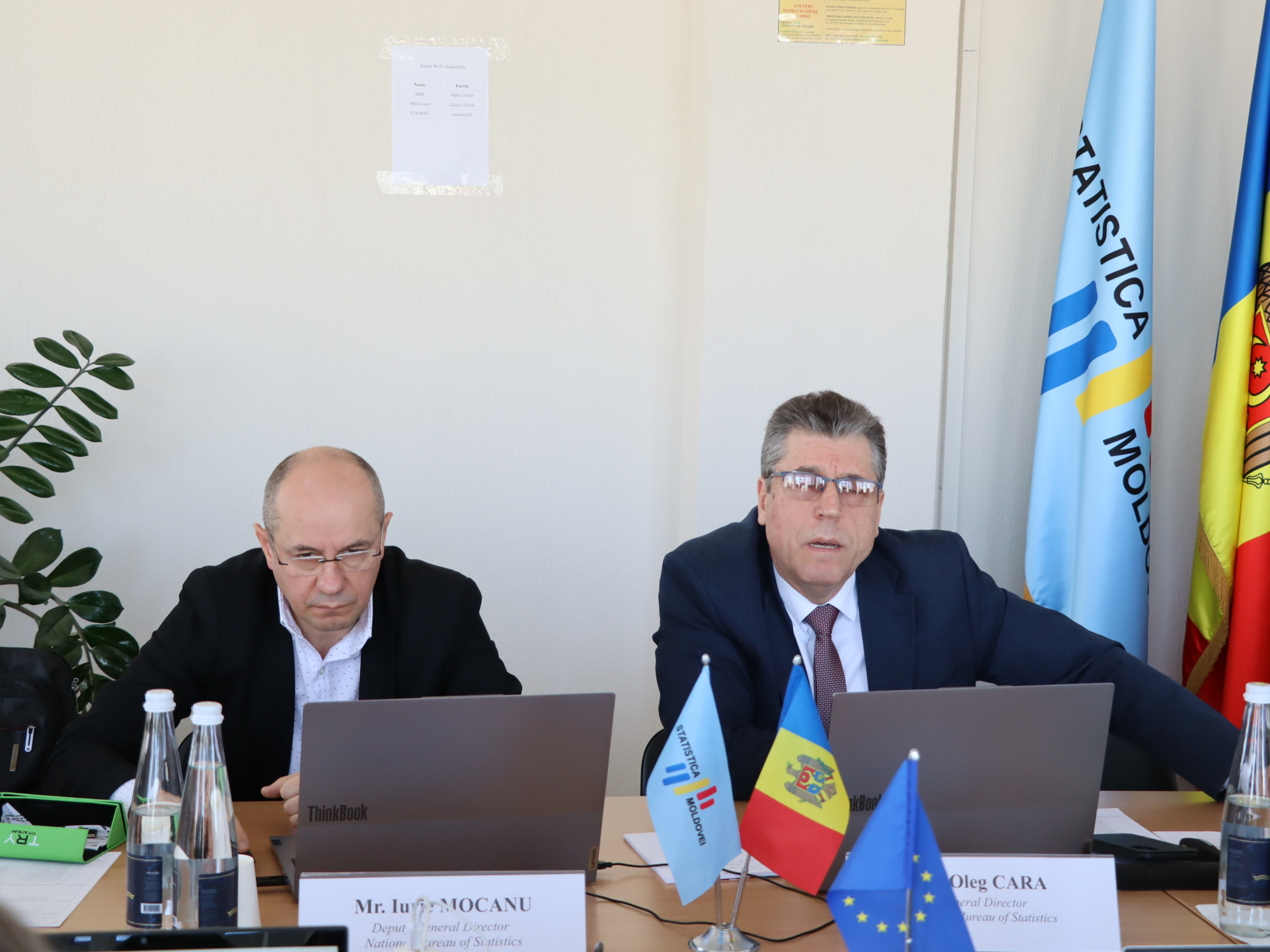
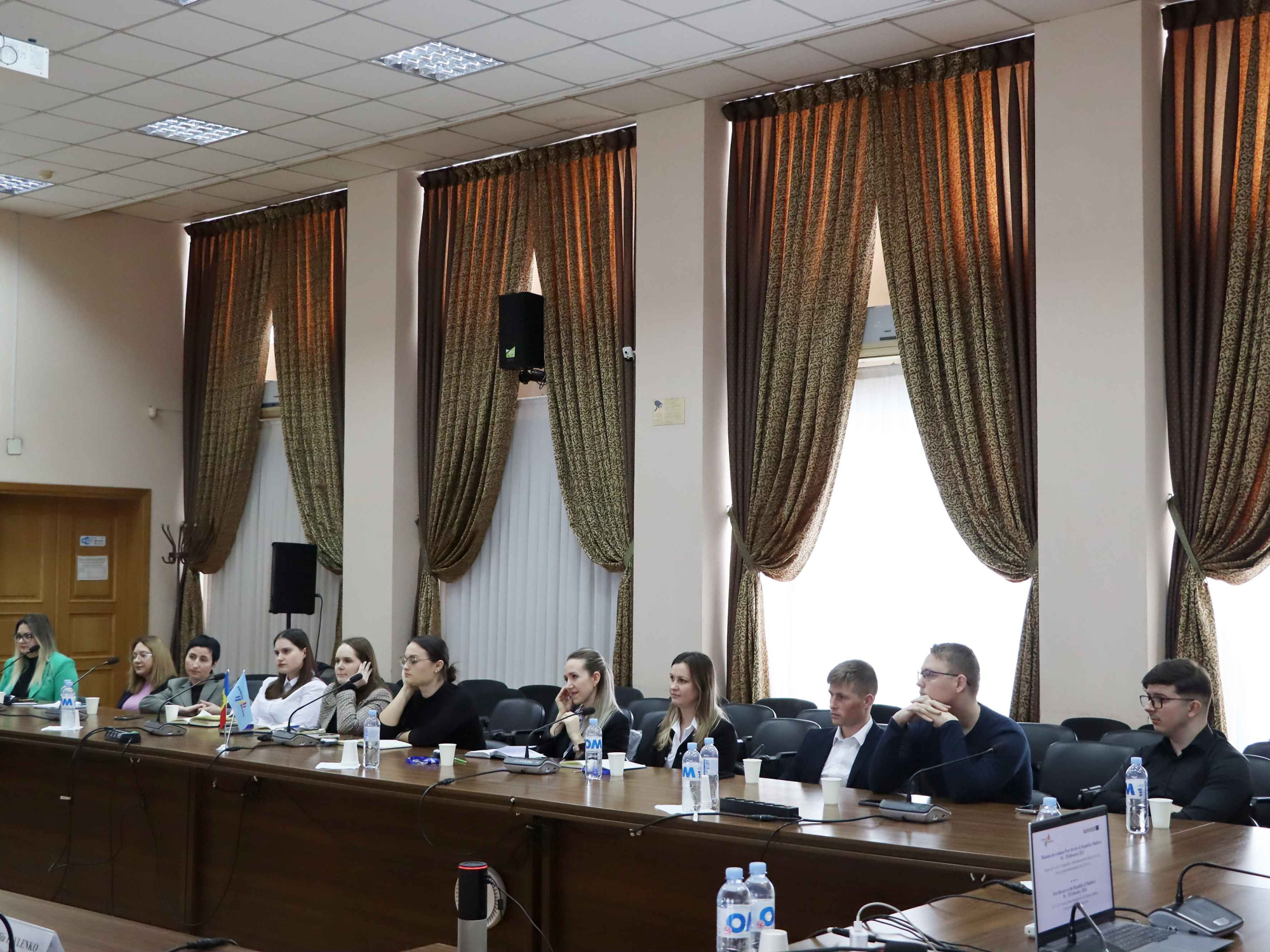
Between 16–20 February 2026, the National Bureau of Statistics (NBS) hosts the Peer Review mission of the National Statistical System (NSS) of the Republic of Moldova, as part of the 2025–2027 Peer Review round, organised under the auspices of the Statistical Office of the European Union – Eurostat.
The purpose of this exercise is to assess the compliance of the NSS with the requirements of the European Statistics Code of Practice (ES CoP). The Peer Review aims, inter alia, to evaluate the transparency, professionalism and independence of official statistics. At the same time, the Peer Review assessment provides an opportunity to further improve official statistics through recommendations made by the team of experts, to support the development of the NSS in line with EU best practices.
Peer Reviews are qualitative assessments designed to assess the extent to which a country’s statistical system complies with the European Statistics Code of Practice. They result in a set of recommendations, the implementation of which is followed up and monitored by Eurostat. For some countries, Peer Reviews are conducted in partnership with the European Free Trade Association (EFTA).
The team of international experts that conduct the Peer Review in the Republic of Moldova consists of:
- Marko KRIŠTOF - Chair of the Peer Review Team (Croatia)
- Claudia JUNKER – Head of the "Enlargement, Neighborhood and Development Cooperation" Unit at Eurostat
- Karin BLIX - expert from Denmark
- Taeke GJALTEMA - regional advisor on statistics from UNECE
- Vidar LUND - expert from EFTA.
The team of experts is joined by Rima GERDZIUNAITE – Country Officer in Unit B.3 of Eurostat.
In the visit participate also two observers from countries where the Peer Review assessment will take place during this round – representatives of the State Statistics Service of Ukraine and the State Statistical Committee of the Republic of Azerbaijan.
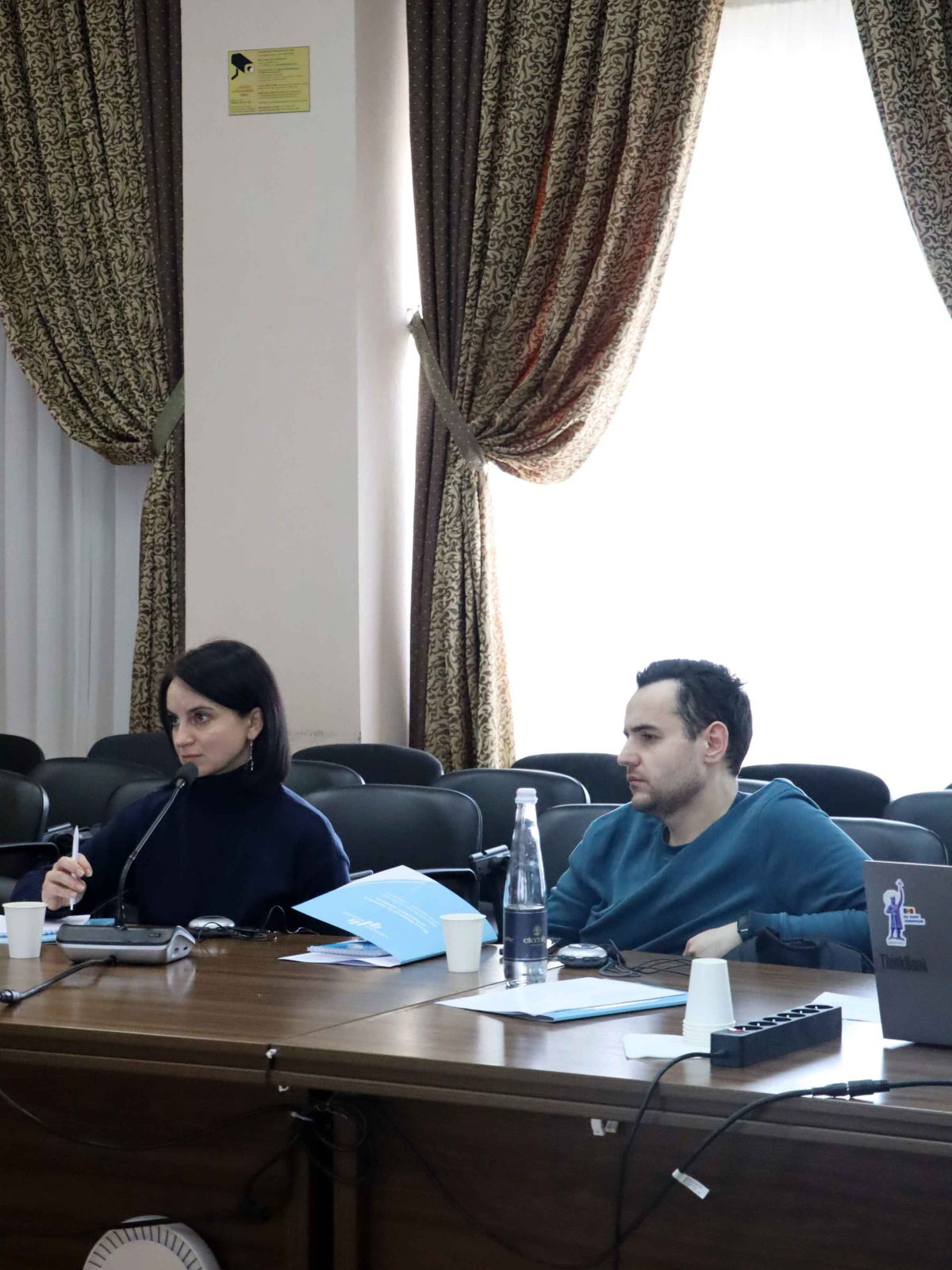
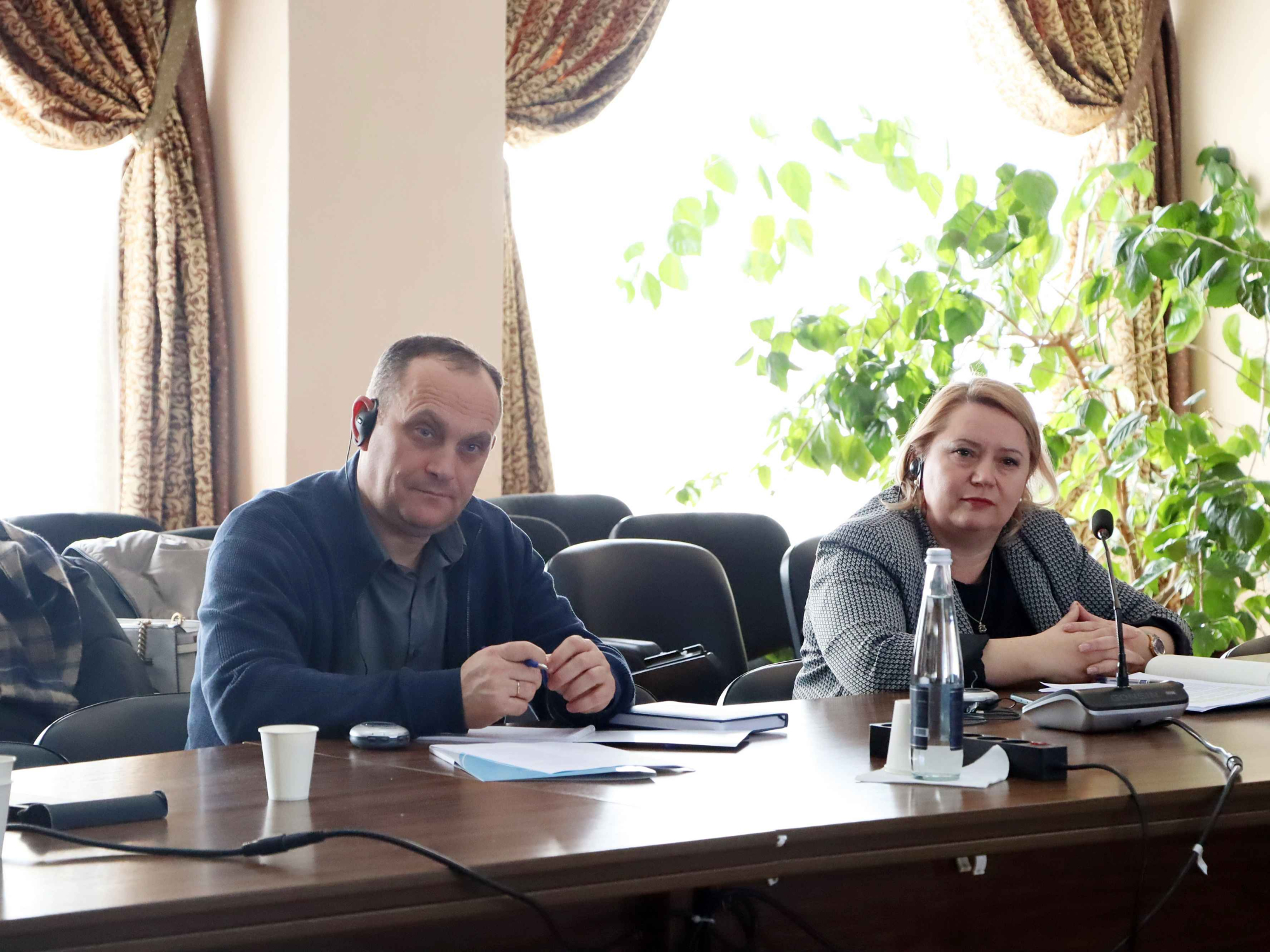
As part of this assessment, a series of discussion sessions are being held with producers of official statistics, as well as with the main user groups of official statistics. Participants include representatives of the NBS and the National Bank of Moldova, members of the National Council for Statistics, representatives of the scientific community, development partners, administrative data providers for statistical purposes, representatives of the business community, media representatives, as well as other stakeholders involved in the production and use of official statistics.
The purpose of these meetings is to discuss the experience of the NBS and the National Bank of Moldova in complying with the quality criteria set out in the ES CoP, as well as users' perception regarding the access to statistical data and metadata, data availability and confidentiality of statistics, the degree of trust in the NBS, the professional independence of the institution and the resources allocated for the production of statistics, response burden, collaboration within the NSS and with external partners, etc. The functioning and mandate of the National Council for Statistics are also examined, together with the ways in which the Peer Review recommendations can support further improvements in quality, in terms of reliability, transparency, relevance and other statistical data quality criteria in the Republic of Moldova.
Following the Peer Review assessment of the NSS, the experts will prepare a detailed report containing conclusions and recommendations regarding compliance with the ES CoP, which will serve as the basis for further strengthening and modernization of the NSS.
The 2025–2027 Peer Review round represents an international assessment of the National Statistical Systems of several EU candidate countries, including those from the Western Balkans, Turkey, and the Republic of Moldova.
Peer Reviews play an important role in supporting EU candidate countries in aligning with European statistical quality standards, strengthening trust in national statistical institutions and in the official statistics they produce and disseminate, as well as in supporting the European integration process through technical assessment instruments.









- Report a mistake. Select the desired text and press CTRL + ENTER